When Rail Video and Event Data Don’t Align, Start with the Clock
A shared time reference helps railway teams find the onboard footage that corresponds to a recorded braking event.
Why the Records Can Be Hard to Match
In June 2026, two passenger trains collided near Elstow, England. In its interim report, the UK Rail Accident Investigation Branch (RAIB) said the recording devices used in the investigation did not all share a time source. Investigators used the signal data logger’s clock as the reference to align the records and reconstruct the sequence of events.
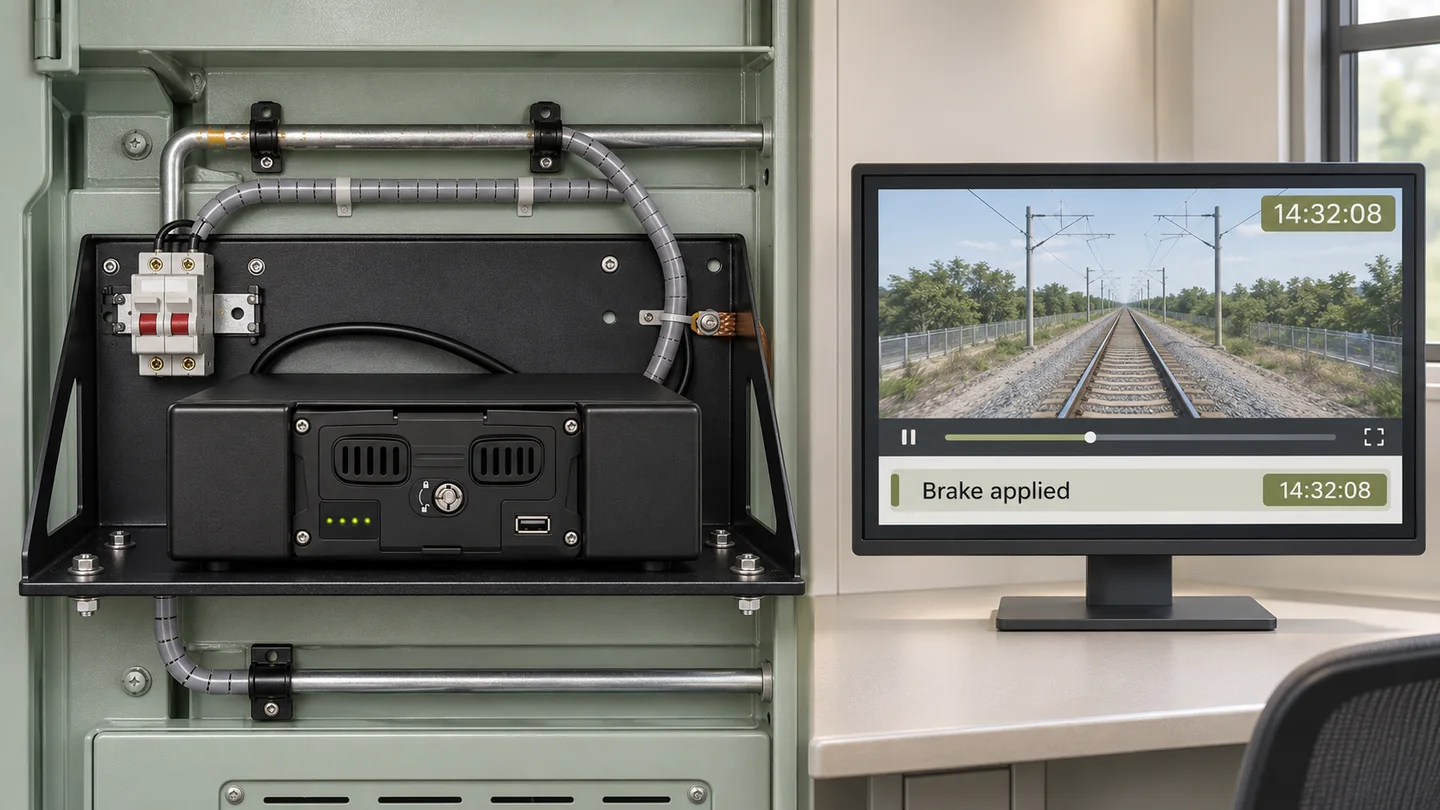
The same problem can come up in routine reviews. If a train event recorder logs a brake application at 14:32:08 and the video recorder’s clock is a few seconds off, the frame labeled 14:32:08 will show a different moment.
How the Data Gateway and NVR Work Together
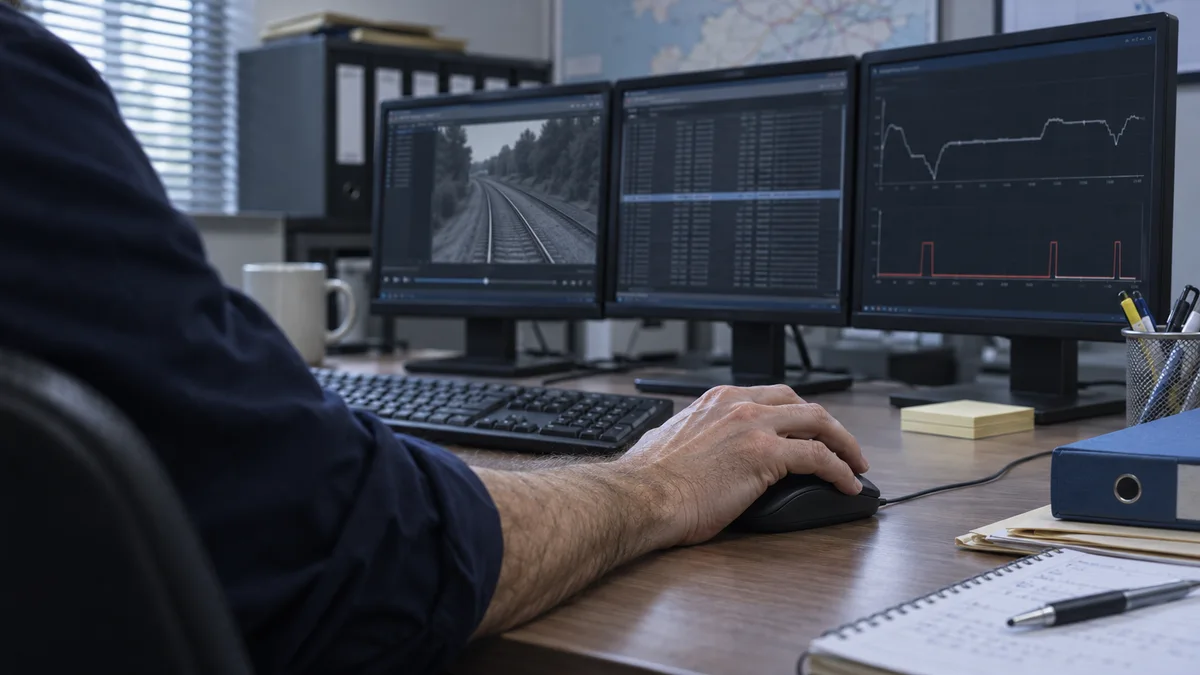
A MegaFeis data gateway can use GNSS-based timing to provide a shared time reference for compatible onboard equipment. The onboard network video recorder (NVR) uses that reference to timestamp the footage it records.
When a braking event is logged, maintenance or safety teams can use its timestamp to locate the corresponding footage and review the signal indication and track conditions around that time.
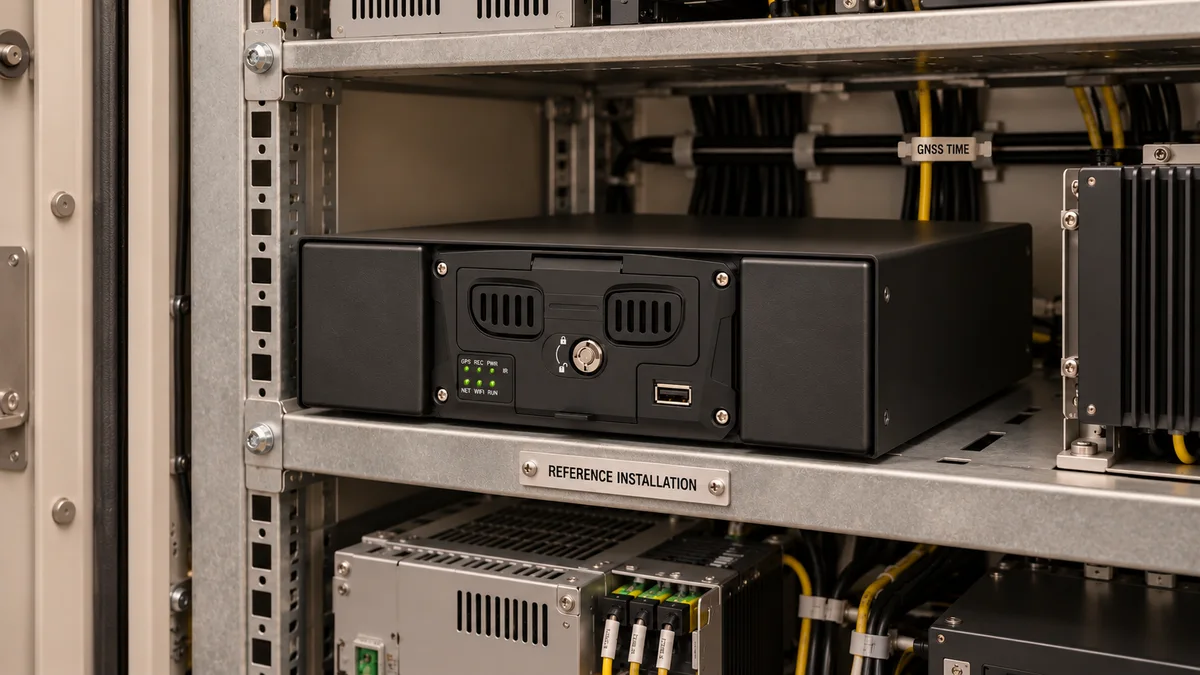
Device processing, video buffering, and interruptions to synchronization can still affect how closely the records align.