A Train Hit the End of the Track, and No One Knows Why the Driver Lost Focus: SEPTA, 2025
On the morning of May 11, 2025, a SEPTA light rail train pulling into Norristown station near Philadelphia did not brake. It hit the bumping post at the end of the track at about 11 mph. Twelve people were injured, two of them seriously.
The final approach
The National Transportation Safety Board found that the weather was clear, the track and brakes were working normally, and the driver tested negative for alcohol and drugs. About a minute before the crash, he was operating normally. But in the final seconds, the recorder shows no control inputs before the impact.
A missing view of the driver
Why did he lose focus? The investigation could not determine why or how. Fatigue was considered unlikely, and his phone records showed no calls or texts while he was operating the train. The data from the camera facing the driver in the cab was corrupted and could not be recovered. The NTSB said usable footage would have helped explain what happened. It also found that the train-control system could not intervene to prevent the end-of-track collision.
Monitoring operating behaviour onboard
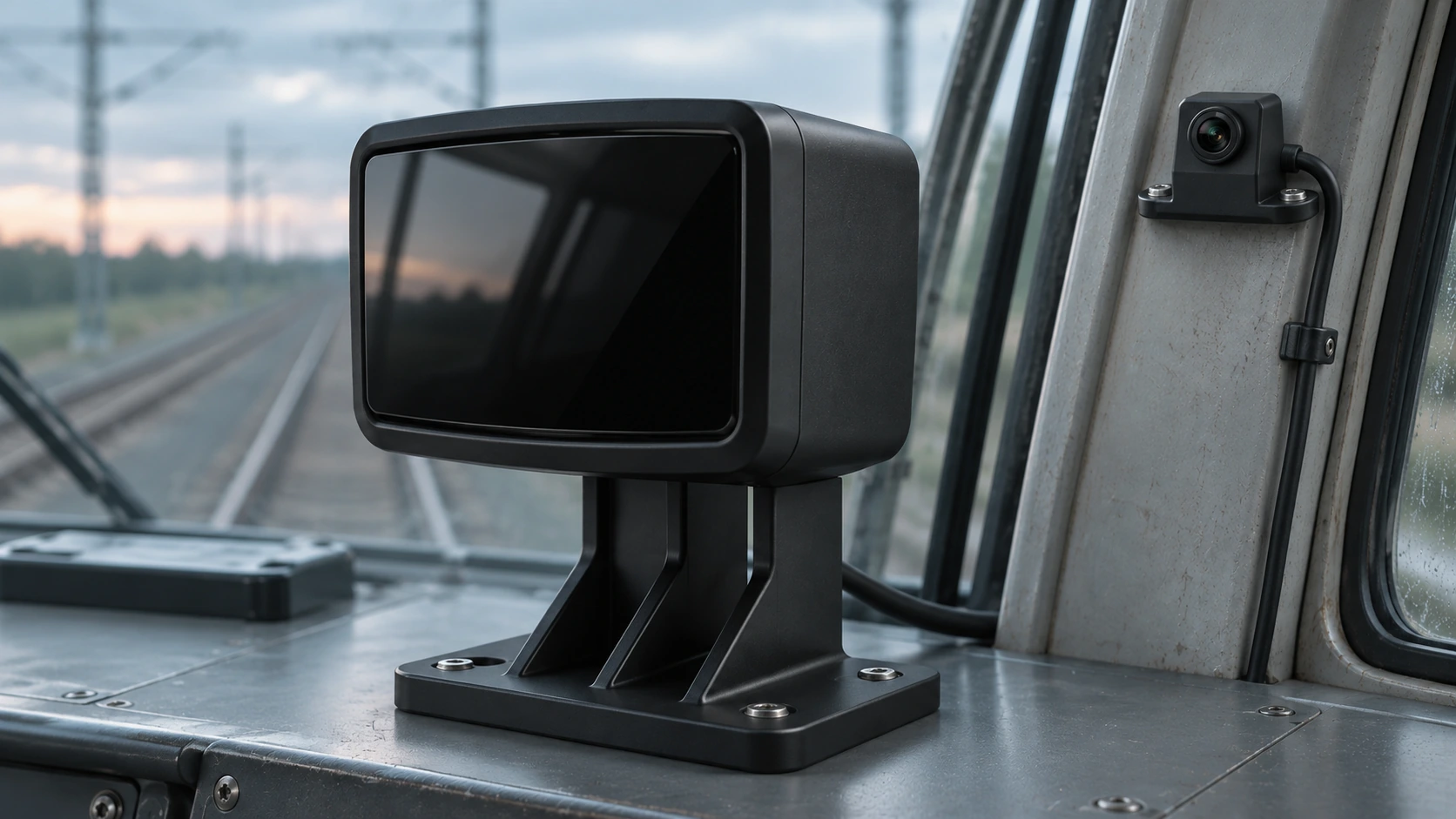
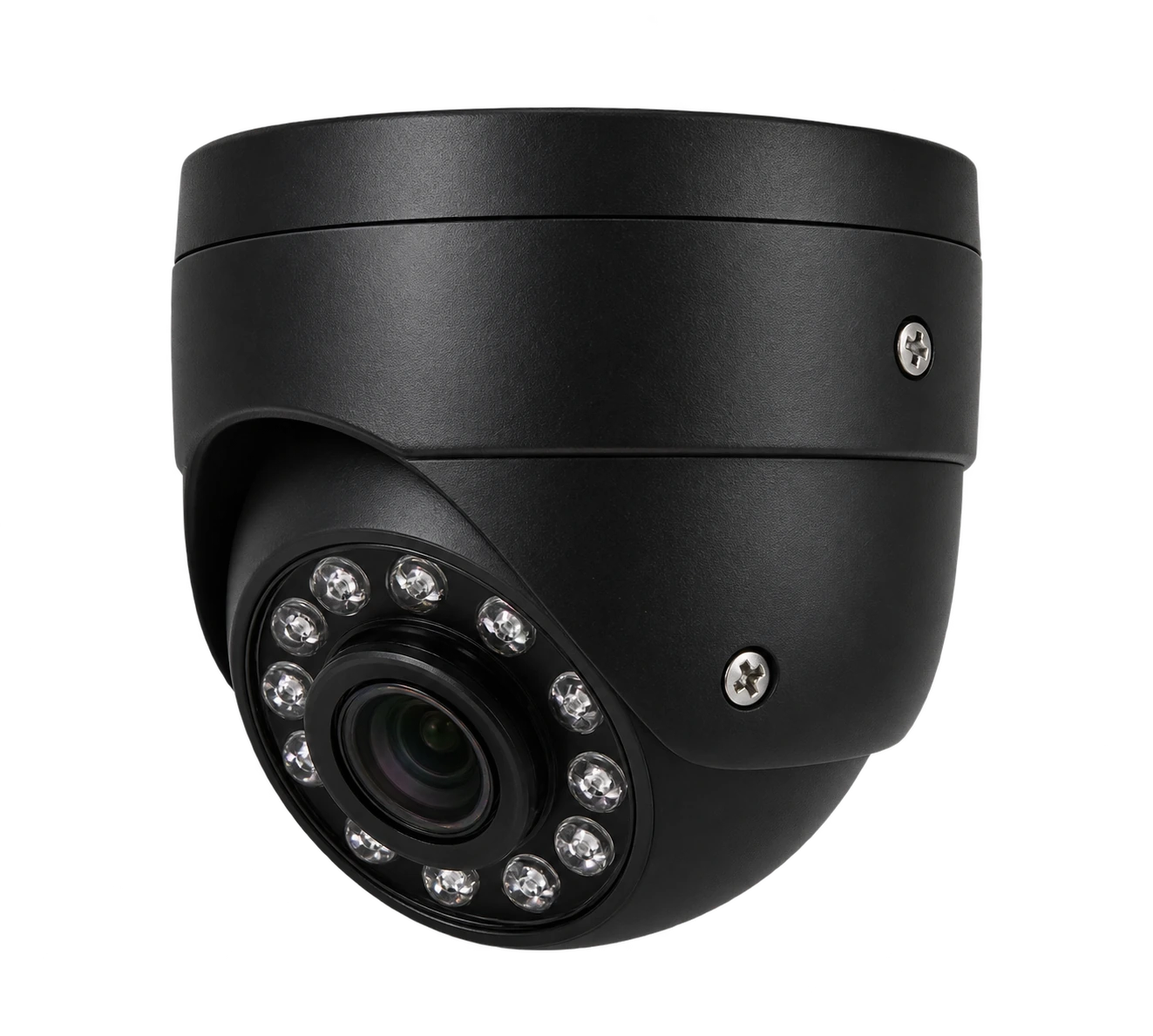
The MegaFeis Driver State Monitoring System includes two operating-behaviour cameras covering the driver’s operating area and observation direction. An onboard AI host reviews the footage against the work rules configured for each line. When the detected behaviour meets the configured alert criteria, the system alerts the driver in the cab and keeps key frames and short event records for later review. Equipment self-checks help staff check the status of connected cameras.
Fatigue and loss of attention can both interrupt safe operation. How do you monitor both during a single trip?
Detection results depend on camera position, lighting, obstructions and the configured software. Alerts support the driver alongside existing operating procedures and train-control systems.